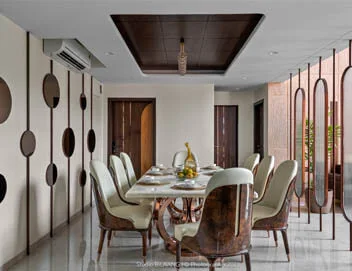
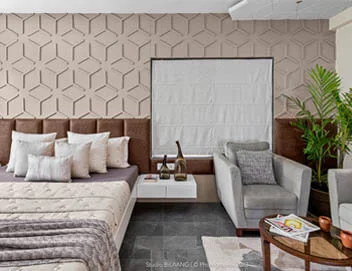
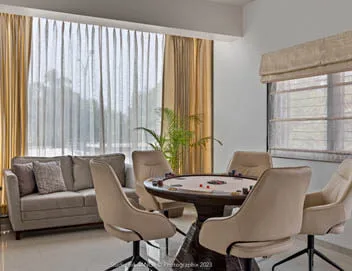
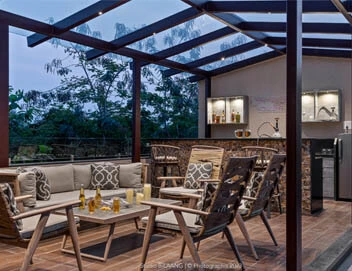
Designing for longevity goes far beyond creating something that looks good at first glance. Truly lasting design is rooted in clarity of purpose, thoughtful planning, and an understanding of how spaces evolve over time. Materials are chosen not only for their aesthetic value but for their durability, ease of maintenance, and ability to age gracefully. Proportions, layouts, and detailing are approached with restraint, ensuring that the design remains relevant despite changing trends, lifestyles, or technologies.
When design prioritizes longevity, it supports everyday living and adapts seamlessly to future needs. Spaces are planned to be flexible, efficient, and intuitive, allowing them to grow with their users rather than require constant modification. This approach results in environments that feel timeless, comfortable, and meaningful—where visual appeal is a natural outcome of well-considered decisions, not the sole objective. In the long run, such design delivers greater value, sustainability, and a deeper connection between people and the spaces they inhabit.